
Understanding the basics of gambling A beginner's guide
What is Gambling?
Gambling refers to the act of wagering money or valuables on an uncertain outcome, typically involving games of chance. The appeal of gambling lies in the thrill of winning, the excitement of risk-taking, and the potential for financial gain. It encompasses a wide range of activities, including casino games, sports betting, lotteries, and online gaming. To find a top site for your needs, consider learning about poker online real money, which can offer unique experiences for players. Understanding these foundational elements is essential for beginners looking to navigate the gambling landscape.
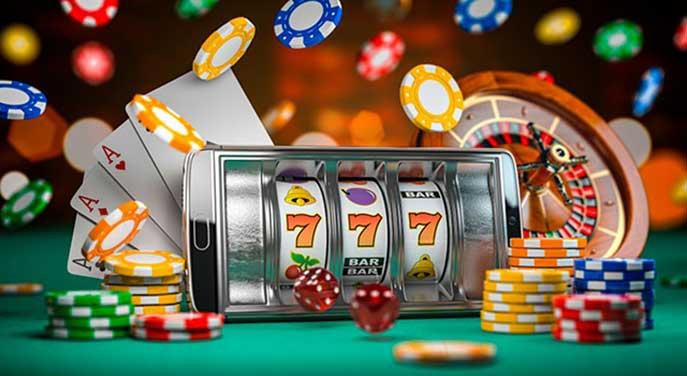
At its core, gambling is driven by the desire for entertainment and the possibility of earning money. However, it’s important to note that the outcomes are largely determined by chance, making it a risky endeavor. For newcomers, grasping the nature of gambling helps set realistic expectations and promotes responsible gaming habits.
The Psychological Aspects of Gambling
Gambling is not just about luck; it also involves significant psychological factors that influence behavior. Many gamblers experience a rush of adrenaline and excitement, often leading to a heightened state of emotional engagement. This psychological aspect can make it difficult for individuals to recognize when they should stop playing, potentially leading to problematic behaviors.
Understanding these psychological triggers is crucial for beginners. Familiarity with concepts such as the „gambler’s fallacy,“ where players believe past outcomes influence future results, can help mitigate poor decision-making. Being aware of these psychological patterns empowers individuals to approach gambling more thoughtfully and responsibly.
Types of Gambling Games
Gambling encompasses a variety of games, each with its own rules and strategies. Casino games such as poker, blackjack, and roulette offer a blend of skill and luck. On the other hand, lottery games and slot machines are predominantly chance-based. For beginners, it’s essential to explore the different types of games to find which ones align with personal preferences and risk tolerance.
Each game comes with its own house edge, meaning that some games are statistically more favorable than others. Understanding these nuances can enhance the gaming experience and increase the likelihood of making informed decisions while gambling. Ultimately, choosing the right game is a key step for any beginner looking to engage in gambling successfully.
Responsible Gambling Practices
Engaging in gambling responsibly is vital for maintaining a healthy relationship with gaming activities. Setting limits on time and money can help prevent overindulgence. Beginners should also be aware of their emotional state when gambling, as feelings of stress or sadness can lead to poor decision-making and increased risk-taking.
Additionally, many organizations provide resources for individuals seeking help with gambling-related issues. Recognizing the signs of problematic gambling and knowing when to seek assistance can make a significant difference in one’s overall experience. Responsible gambling is not just a personal responsibility; it is a crucial aspect of enjoying the gambling experience.

Exploring Online Gambling Platforms
The rise of online gambling has transformed how players engage with games. There are numerous platforms available, each offering unique features, games, and bonuses. For beginners, it’s essential to research reputable sites that prioritize player security and offer a wide range of gaming options. Understanding the terms and conditions associated with online gambling can also prevent potential misunderstandings.
Furthermore, online platforms often provide resources for responsible gambling, making it easier for players to manage their habits. As technology continues to evolve, staying informed about the latest trends and features in online gambling will enhance the overall experience and ensure a safer gaming environment.